Fibrous Foods for Gut Health
After detoxing, repopulating with probiotics, and introducing prebiotic fibers, the next step is expanding into a variety of fibrous foods. Both soluble and insoluble fibers are important for gut health.
Soluble Fiber (feeds microbiome & slows digestion)
(absorbs water, forms a gel, helps regulate blood sugar, cholesterol, and nourishes gut bacteria)
- Fruits: apples, pears, citrus fruits, berries, figs, bananas (ripe), mangoes
- Vegetables: carrots, beets, Brussels sprouts, turnips, sweet potatoes
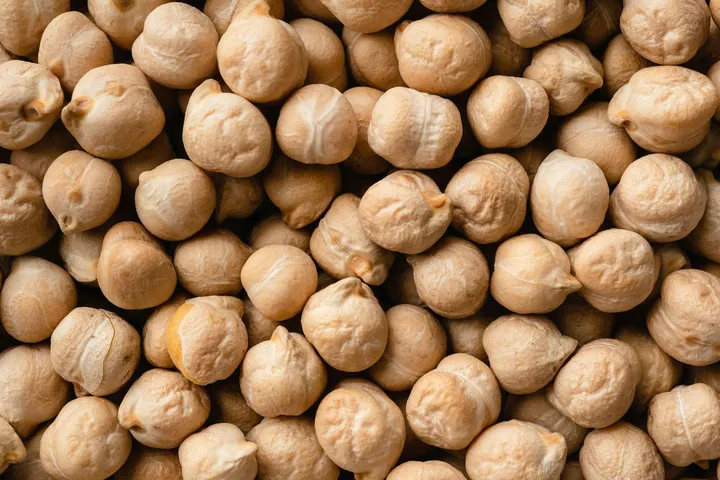
- Legumes: lentils, black beans, chickpeas, kidney beans
- Grains & Seeds: oats, barley, flaxseeds, chia seeds, psyllium husk
- Other: avocado, asparagus, artichokes
Insoluble Fiber (adds bulk & promotes regularity)
(doesn’t dissolve in water, supports bowel motility, “sweeps” the digestive tract)
- Vegetables: leafy greens (spinach, kale), broccoli, cauliflower, cabbage, green beans, zucchini, celery
- Root Vegetables: potatoes (with skin), beets, parsnips, radishes
- Nuts & Seeds: almonds, walnuts, sunflower seeds, pumpkin seeds
- Other: cucumbers (with skin), tomatoes, bell peppers
Why Both Matter
- Soluble fiber → feeds beneficial bacteria, produces short-chain fatty acids (butyrate, acetate, propionate) that heal the gut lining.
- Insoluble fiber → improves transit time, prevents constipation, reduces toxin exposure.
- Together, they create diversity in the gut microbiome and support long-term gut healing.
Tip
Encourage mixing and matching daily — for example: oats + berries (soluble) with a side of leafy greens or broccoli (insoluble).